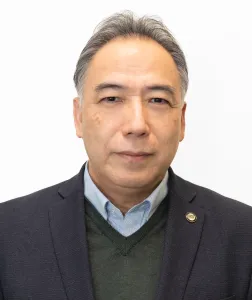
Keiichi Ogawa
Fellow and Advisor
Dr Keiichi Ogawa is Professor and Vice Dean in
the Graduate School of International Cooperation Studies (GSICS) & Council
Member of Education and Research at Kobe University in Japan. He is also
Director of the Global Research Center for Education Policy and Planning (GEPP)
and UNESCO Chair of Education for Gender, Disaster Resilience, and Well-being
at Kobe University.
Dr Ogawa is a former Education Economist at the
World Bank and a former Governing Board Member of the UNESCO International
Institute for Educational Planning (IIEP). He is also an Honorary Professor at
Kyrgyz National University, the National University of Laos, and the University
of Dhaka. He has served in various graduate schools as an Affiliate, Adjunct,
or Visiting Professor, including Columbia University’s
Teachers College, George Washington University, the University of Hawaii, and
the University of Tokyo. His research interests lie in the economics of
education, education finance, comparative international education, and public
policy in the education sector.
He has worked on development assistance activities in over 30 countries
and has authored or co-edited twelve books and over 150 journal articles/book
chapters. Many are issues related to educational development and cooperation in
international settings. He holds a PhD in Comparative
International Education and Economics of Education from Columbia University.
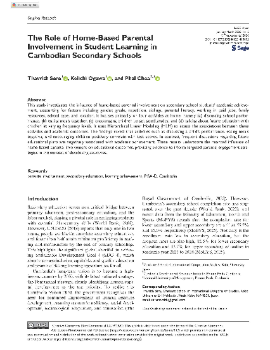
This study investigates the influence of home-based parental involvement on secondary school students’ academic achievement, accounting for factors including gender, grade, repetition, siblings, parental literacy, working in paid jobs, family resources, school type, and location. It focuses primarily on four activities at home, namely (a) discussin...

The current study examines teacher deployment strategies in Cambodian preschools and identifies challenges related to the supply and deployment of teaching staff in early childhood education by assessing the adequacy, efficiency, and quality of teacher deployment. This study employs multiple approaches in data collection, including desk review of e...
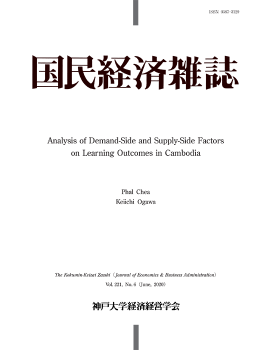
The study applies the Hierarchical Linear Modeling(HLM) approach using the international learning assessment survey, PISA for Development (PISA-D), to examine the effects of demand-side and supply-side factors associated with academic performance in Cambodia. Findings from the study suggest that students' characteristics and family background are g...
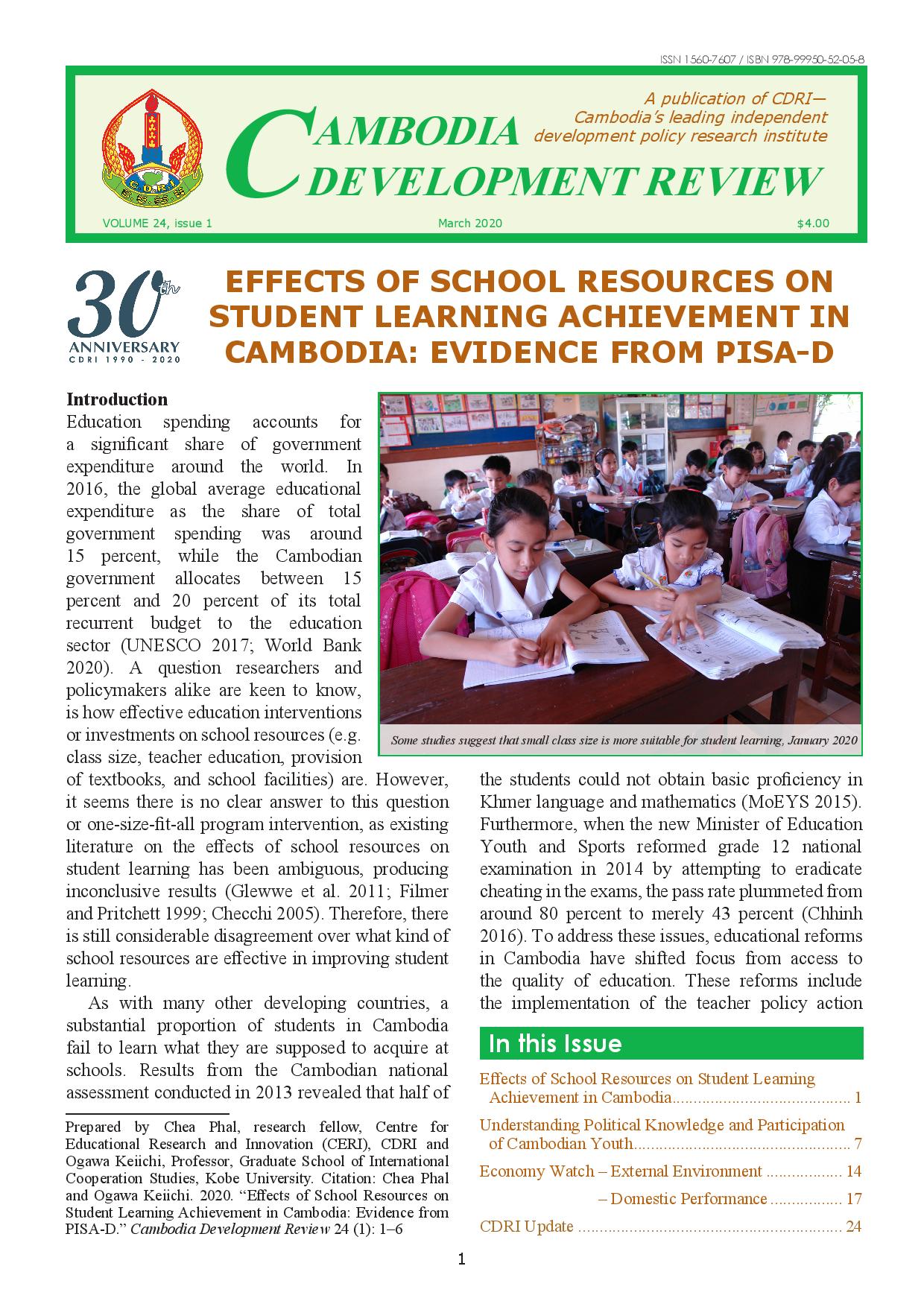
This study investigates the relationships between school resources and student learning achievements using large-scale Programme for International Student Assessment for Development (PISA-D) survey data, the first international student learning assessment Cambodia participated in 2017. It found the positive effects on school infrastructure on stude...